Education News
What the CDC's Developmental Milestones Checklist Actually Tracks
The free checklists cover ages 2 months through 5 years and are built to start a conversation with a pediatrician, not to deliver a diagnosis on their own.
Education News covers the companies charging students and families: tutoring providers, exam boards, publishers, student housing operators and education technology firms. Reporting follows pricing, contracts, funding and consolidation, tracing how each reaches a household bill. For parents, school leaders and observers of the sector.
Tutoring chains, exam boards, publishers and student housing operators: pricing, contracts, consolidation and what families end up paying as a result.
The free checklists cover ages 2 months through 5 years and are built to start a conversation with a pediatrician, not to deliver a diagnosis on their own.

Federal law caps how many hours 14- and 15-year-olds can work and keeps everyone under 18 out of hazardous jobs, but states can set tighter limits, and more young people are working this summer than a year ago.
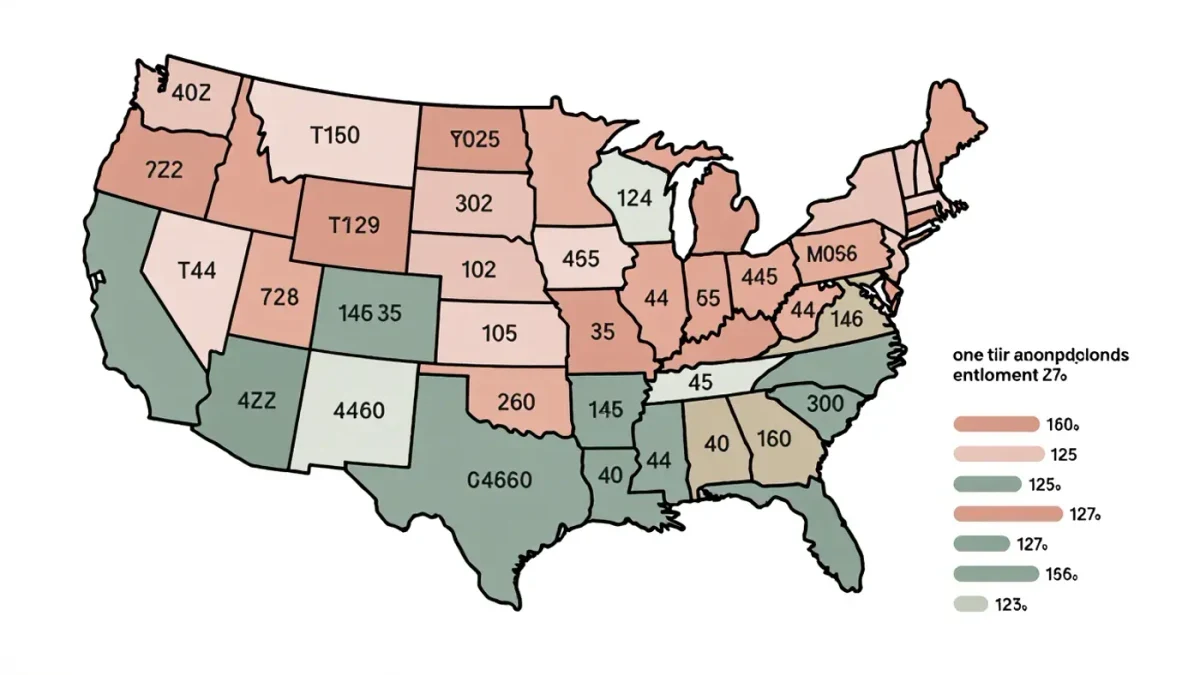
More than 40 states now run public preschool programs, but reach and quality vary so widely that "universal" means very different things in different zip codes.

A meta-analysis of 96 randomized trials found tutoring produces some of the largest learning gains ever measured — but only when the dosage, timing, and tutor are right.
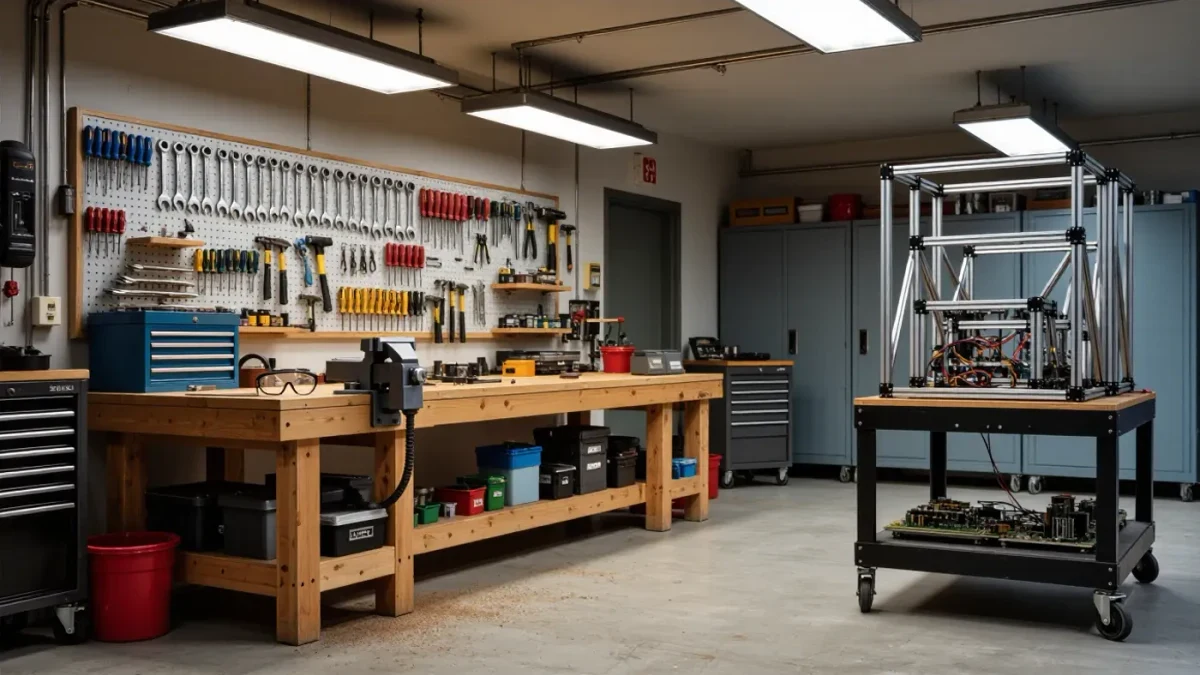
CTE has outgrown its old shop-class reputation: federal transcript studies show about three in four high school students now take at least one career and technical course.

Guaranteed-admission agreements, block transfer of credits, and statewide pathways are slowly fixing a system that used to quietly discard a third of a transfer student's work.
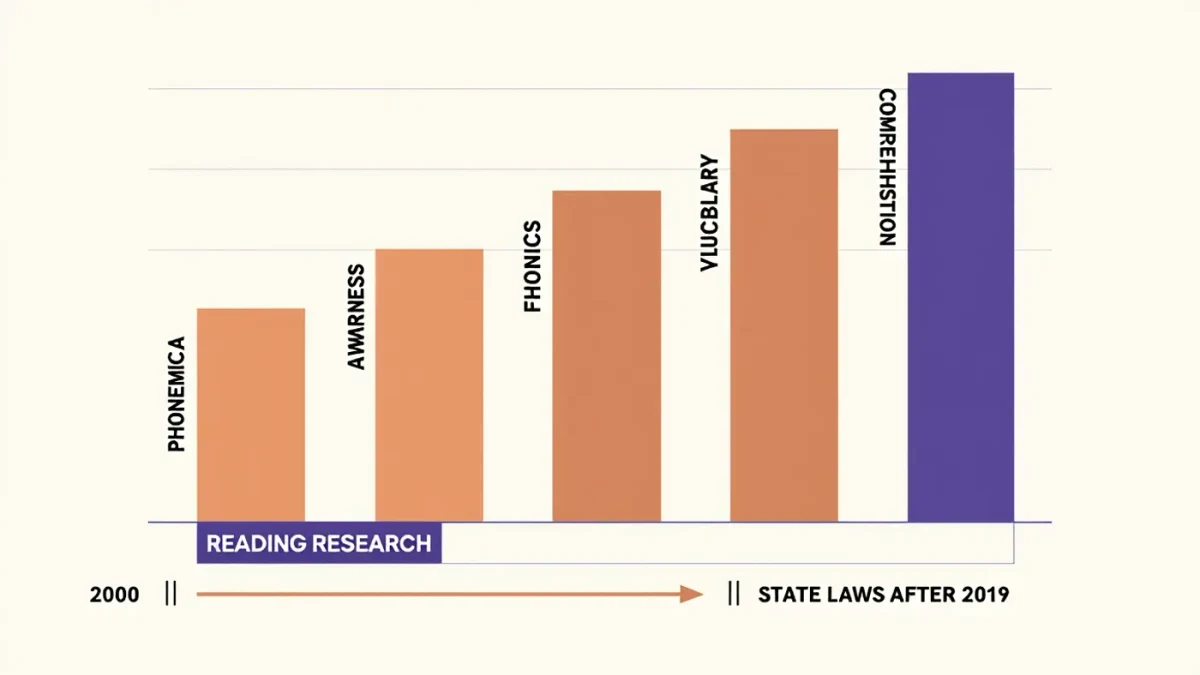
Since 2019, most states have rewritten reading laws around phonics and teacher training — the biggest shift in how American schools teach reading in a generation.

Nearly every state now counts students who miss 10 percent of school — but what counts as a missed day, and who lands in the denominator, differs enough to change a school's number.

One counselor for every 385 students is the national norm against a recommended 250 — and the shortage lands hardest in the schools whose students need the most guidance.

The money behind a child's classroom arrives through three layers of government and a state formula most families never see — and the differences explain a lot about inequality.